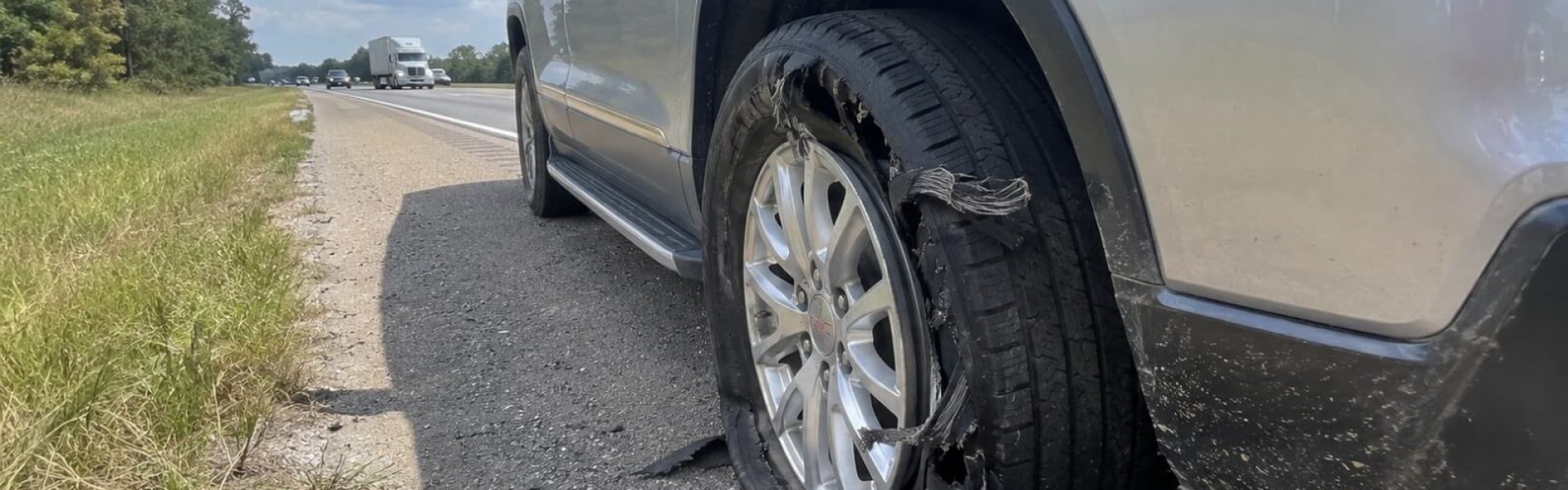
How to Prevent Tire Blowouts: Simple Tips Every Driver Should Know
A tire blowout can happen without much warning. One Minute you are driving normally and the next, you may hear a loud pop, feel the vehicle pull to one side or notice that your steering suddenly feels different.
While not every tire problem can be prevented, regular maintenance and safe driving habits can greatly reduce the risk of a blowout. Knowing what to check before you hit the road can help keep you, your passengers and other drivers safer.
Check Your Tires Regularly
Incorrect tire pressure is one of the most common causes of tire problems. Driving with tires that are underinflated creates extra heat and friction, which can weaken the tire and increase the chance of a blowout.
Check your tire pressure at least once a month and before long road trips. Use the pressure recommended by your vehicle manufacturer rather than the maximum pressure printed on the tire itself.
It is also a good idea to check you tires when they are cold becuase driving can temporarily increase tire pressure.
Inspect Your Tires for Damage
Take a few minutes to look at your tires before driving, specially before a long trip. Check for cuts, cracks, bulges, punctures or objects stuck in the tread.
A bulge or bubbles on the sidewall can indicate internal tire damage. If you notice one, avoid driving on the tire and have it inspected by a qualified tire professional.
Small problems can become serious when a damaged tire is exposed to highway speeds, heavy loads or hot pavement.
Watch Your Tire Tread
Tread helps your tires maintain contact with the road. As tires wear down, their ability to handle wet roads and maintain traction decreases.
Check the tread depth regularly. If the tread is worn close to the legal limit or you notice uneven wear, have the tires inspected.
Uneven tread wear can also point to alignment, suspension or tire-pressure problems that should be addressed before they cause assitional damage.
Avoid Overloading Your Vehicle
Every vehicle has a maximum weight it is designed to carry. Adding too much weight puts additional stress on your tires and can cause them to overheat.
Check your vehicle’s recommended load capacity before carrying heavy equipment, luggage or towing a trailer.
If you regularly haul heavy loads, make sure tires are properly rated for the job.
Slow Down in Hot Weather
High temperatures can increase the stress placed on your tires. Underinflated tires are specially vulnerable because they generate more heat while driving.
When driving during exttremely hot weather, check your tire pressure and avoid unnecessarry high-speed driving.
Give your tires extra attention before long highway trips, particularly when roads and pavement are extremely hot.
Rotate and Maintain Your Tires
Regular tire rotation helps promote more even tread wear. Your vehicle may also need wheel alignment and balancing services depending on its condition and driving habits.
Follow the maintenance schedule recommended for your vehicle and have your tires checked when you notice vibration, pulling, shaking or unusual noise.
Ignoring these warning signs can be lead to premature tire wear and potentially more serious tire problems.
Replace Old Tires
Tires do not last forever, even when they still appear to have plenty of trend. Age, exposure to sunlight, heat and storage conditions can cause rubber to deteriorate over time.
Check the tire’s date information and follow the tire manufacturer’s recommendations for replacement. If you are unsure about the condition or age of your tires, have them inspected by a tire professional.
Replacing aging tires before the fail is much safer than waiting for a blowout on the road.
Becareful Around Potholes and Road Debris
Potholes, broken pavement, nails, metal pieces and other road debris can damge a tire or wheel.
Whenever it is safe to do so, slow down and avoid road hazards. If you hit a large pothole or object, check your tires afterward for visible damage and pay attention to any changes in steering or handling.
Some tire damage is not immediately visible, so unusual vibration or pulling should not be ignored.
Don't Ignore Warning Signs
Your vehicle can give you clues that something is wrong with a tire. Common warning signs include:
• Frequent loss of tire pressure
• Visible cracks or bulges
• Uneven tread wear
• Excessive vibration
• Pulling to one side
• Steering that suddenly feel different
• Repeatedly needing to add air
• Unusual tire noise
If you notice any of these problems, get the tire checked as soon as possible.
Keep an Emergency Kit in Your Vehicle
Even with proper maintenance, tire problems can still happen. Keep your vehicle prepared with items such as a spare tire, properly working jack, lug wrench, flashlight, reflective warning devices and a portable tire inflator if appropriate for your vehicle.
Know where these items are stored and make sure you understand how to use them before an emergency happens.
If your vehicle does not have a spare tire or you cannot safely change the tire yourself, having a roadside assistance provider saved in your phone can make an unexpected breakdown much easier to handle.
What to Do If a Tire Blowout Happens
If you experience a blowout while driving, stay calm and avoid making sudden steering movements. Hold the steering wheel firmly, gradually release the accelerator and allow the vehicle to slow down.
Avoid slamming on the brakes because sudden braking can make the vehicle harder to control. Once you have slowed down enough, move to a safe location away from moving traffic of possible.
Turn on your hazard lights and call for roadside assisatnce if you cannot safely change the tire or move the vehicle.
Protect Your Tires Before Trouble Starts
Preventing tire blowouts starts with simple habits: check your tire pressure, inspect your tires, maintain proper tred, avoid overloading your vehicle and replace tires when they become unsafe.
A few minutes of tire maintenance can help you avoid an unexpected breakdown, specially during long highway trips or hot summer driving.
If you experience a flat tire or blowout and cannot safely get back on the road, professional roadside assistance can provide tire-change and towing help when you need it.
Need Towing or Roadside Assistance?
Do not stay strandedn longer than necessarry. If your vehicle breaks down or you need emergency roaadside assistance in Tallulah, LA contact Max Apogee Towing and Roadside.
Max Apogee Towing and Roadside
Tallulah, LA
Phone: (318) 935-6153
Call today and tell us what kind of towing or roadside assistance you need.