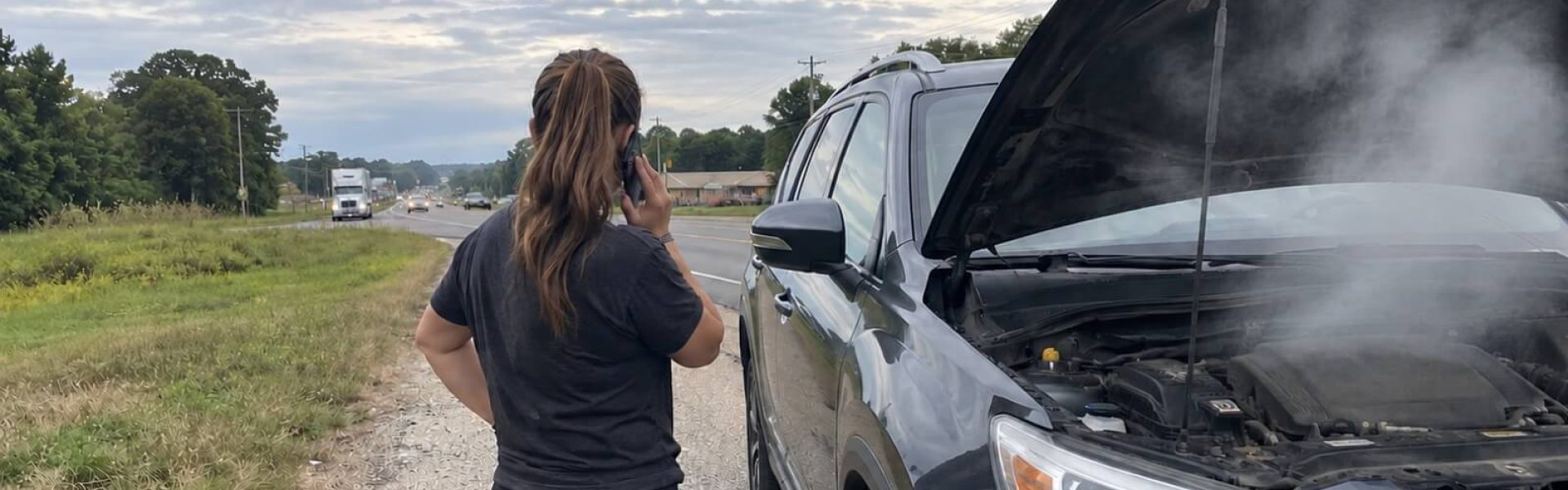
Simple Habits That Can Keep You Off the Side of the Road
A vehicle breakdown can happen when you least expect it. One minute you’re driving to work, running errands or heading out on a road trip, and the next you’re stuck on the shoulder waiting for help.
The good news is that many common roadside problems can be reduced with a few simple driving and maintenance habits. Taking a little time to care for your vehicle can help prevent breakdowns and keep you moving safely.
Check Your Tires Regularly
Your tires are one pf the most important parts of your vehicle. Driving with low tire pressure, worn tread or visible damage increases the risk of a flat tire or loss of control.
Check your tire pressure regularly and compare it with the recommended pressure listed in your owner’s manual or on the driver’s-side door label. Also inspect the tread for excessive wear, cracks, nails or other damage.
Don’t forget to check your spare tire. A spare that is flat or damaged won’t be much help during an emergency.
Pay Attention to Warning Lights
Dashboard warning lights should never be ignored. A check engine, battery, oil pressure or temperature warning can indicate a problem that needs attention.
Some drivers continue driving because the vehicle still seems to run normally. That can turn a small ,echanical issue into a major repair or even leave you stranded.
If a warning light appears, check your owner’s manual and have the vehicle inpected when necessary.
Keep Up With Oil Changes
Engine oil helps lubricate and protect the moving parts inside your engine. Old, dirty or insufficient oil can contribute to excessive wear and serious engine problems.
Follow the oil-change schedule recommended for your vehicle. If you frequently drive in heavy traffic, extreme temperatures or other demanding conditions, ask your mechanic whether your vehicle needs more frequent service.
Take Battery Problems Seriously
A weak battery is a common reason drivers need roadside assistance. Batteries don’t last forever and extreme temperatures can make an aging battery even more likely to fail.
Watch for signs such as slow engine cranking, dim headlights, electrical problems or difficulty starting the vehicle. If your battery is several years old, consider having it tested before it leaves you with a no-start situation.
Keep Your Fuel Level Above Empty
Running out of fuel is an avoidable roadside emergency. Even if your vehicle shows a remaining range on the dashboard, it is better not to depend on the last few miles.
Make it a habit to refuel when your tank reaches a reasonable level, specially before traveling through rural areas or unfamiliar roads where gas stations may be far apart.
Don't Ignore Strange Sounds or Smelld
Your vehicle often gives you warning signs before a breakdown happens. Squeling, grinding, knocking, burning smells, unusual vibrations or leaking fluids can all indicate a developing problem.
Instead of turning up the radio and hoping the problem disappears, have the vehicle checked. Catching a problem early can be much less expensive than dealing with a breakdown later.
Check Your Fluids
Several fluids help your vehicle opearte properly, including engine oil, coolant, brake fluid, transmission fluid and windshield washer fluid.
Check the fluids according to your vehicle manufacturer’s recommendations. Low coolant, for example, can contribute to overheating, while low or contaminated fluids can affect other vehicle systems.
If you notice a fluid leak under your vehicle, don’t ignore it.
Drive According to Road Conditions
Good vehicle maintenance is only part of preventing roadside problems. Your driving habits also matter.
Slow down when roads are wet, icy or covered with debris. Avoid aggressive acceleration and hard braking when conditions are poor and give yourself enough following distance to react safely.
Careful driving can reduce unnecessary stress on your tires, brakes, suspension and other components.
Don't Overload Your Vehicle
Every vehicle has a maximum weight capacity. Carrying more passengers, cargo or equipment than your vehicle is designed to handle can put additional stress on the engine, transmission, tires, brakes and suspension.
Before a long trip, check your owner’s manual for the recommended cargo and towing limits. Distribute heavy items properly and avoid exceeding the vehicle’s capacity.
Keep an Emergency Kit in Your Vehicle
Even with good maintenance, unexpected problems can still happen. Keeping a basic emergency kit in your vehicle can make a stressful situation easier to manage.
Consider carrying a flashlight, jumper cables or a portable jump starter, reflective warning items, a first-aid kit, basic tools, water and other supplies appropriate for your driving conditions.
It’s also a good idea to keep your roadside assistance or towing company’s phone number saved in your phone.
Schedule Preventive Maintenance
The best time to discover a vehicle problem is before you’re sitting on the side of the road.
Follow the maintenance schedule recommencded by your vehicle manudacturer. Regular inspections can identify worn brakes, aging belts, weak batteries, tire problems, fluid leaks and other issues before they become emergencies.
Preventive maintenance may take some time and money, but it can help reduce unexpected breakdowns and expensive repairs.
What to Do if You Still Break Down
Sometimes a breakdown is unavoidable, even when you take good care of your vehicle. If your car stops running, move to a safe location if possible and turn on your hazard lights.
If you’re on a highway, stay away from moving traffic and avoid standing near the roadway. Once you’re in a safe location, contact a professional towing or roadside assistance provider for help.
Depending on the problem, A roadside technician may be able to provide a jump start, flat-tire assistance, fuel delivery, lockout service or other emergency help. If the vehicle cannot be safely repaired where it stopped, a tow truck can transport it to a repair facility.
Stay Prepared and Keep Moving
Avoiding every breakdown isn’t possible, but simple habits can lower your chances of ending up stranded. Regular tire checks, preventive maintenance, proper fluid levels, careful driving and paying attention to warning signs can make a real difference.
Take a few minutes to check your vehicle before a long drive and don’t ignore small problems. A little preparation today can help you avoid an unexpected stop on the side of the road tomorrow.
Need Towing or Roadside Assistance?
Do not stay strandedn longer than necessarry. If your vehicle breaks down or you need emergency roaadside assistance in Tallulah, LA contact Max Apogee Towing and Roadside.
Max Apogee Towing and Roadside
Tallulah, LA
Phone: (318) 935-6153
Call today and tell us what kind of towing or roadside assistance you need.