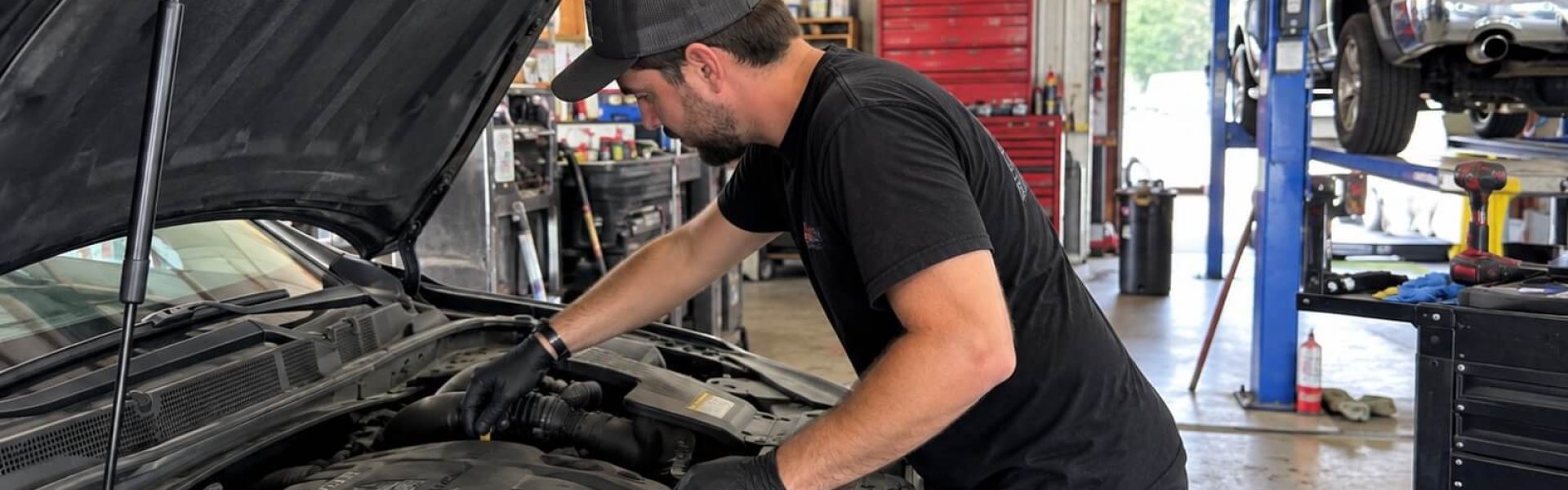
How to Perform a Quick Vehicle Inspection Before Traveling
Before heading out on a road trip, long-distance drive or even a busy weekend trip, take a few minutes to inspect your vehicle. A quick check can help you catch common problems before they turn into a breakdown on the side of the road.
You do not need to be a mechanic to perform a basic vehicle inspection. With a few simple checks, you can make sure your car is ready for the miles ahead and reduce the chance of needing unexpected towing or roadside assistance.
Check Your Tires
Start with all four tires, including the spare if your vehicle has one. Look for low tire pressure, uneven tread wear, cracks, bulges or objects stuck in the tire.
Check the tire pressure using a tire gauge and compare it with the pressure listed on your driver’s door-jamb sticker or owner’s manual. Do not rely only on how the tire looks.
If the tread is badly worn or you notice visible damage, have the tire inspected before traveling.
Check the Engine Oil
Engine oil keeps important internal components lubricated and helps control heat. Before a long trip, park on level ground, turn off the engine and allow it to cool if necessary.
Check the oil level according to your owner’s manual. If it is low, add the correct type of oil recommended for your vehicle.
If you regularly notice that your vehicle is losing oil, do not ignore it. A leak or mechanical problem could become more serious during a long drive.
Inspect the Coolant
An overheating engine can quickly turn a normal trip into a roadside emergency. Check the coolant reservoir when the engine is cool and make sure the level is between the marked minimum and maximum levels.
Look around the engine compartment and underneath the vehicle for signs of coolant leaks. Never remove a radiator cap while the engine is hot because pressurized coolant can cause serious burns.
Test Your Battery
A weak battery can leave you stranded without warning, specially if the battery is several years old.
Look for corrosion around the battery terminals, loose connections or visible damage. Start the vehicle and pay attention to sow cranking, clicking sounds or difficult starting
If you have noticed repeated starting problems, have the battery and charging system tested before traveling.
Check the Lights
Walk around the vehicle and check your headlights, high beams, brake lights, turn signals, hazard lights, reverse lights and parking lights.
Working lights are important for visibility and communication with other drivers, particularly at night, during rain or in heavy traffic.
Replace burned-out bulbs clean dirty lenses before leaving.
Check the Brakes
Pay attenrion to how your brakes feel during normal driving. Warning signs include squealing, grinding, vibrations, pulling to one side or a brake pedal that feels unusually soft.
If you notice any of these problems, have the braking system inspected before starting your trip. Brake problems should be put off simply because the vehicle is still stopping.
Inspect the Windshield and Wipers
A clean windshield and properly working wipers are impportant for safe visibility.
Look for chips or cracks in the windshield and check taht your wiper blades clear water without leaving large streaks. Fill the windshield washer reservoir if it is low.
A small windshield chip can sometimes spread into a larger crack, specially when the vehicle experiences temperature changes or road vibration.
Check Fluid Levels
In addition to engine oil and coolant, take a quick look at other important vehicle fluids. Depending on your vehicle, these may include brake fluid, transmission fluid, power steering fluid and windshield washer fluid.
Check each fluid according to the manufacturer’s instructions. Some newer vehicles may have electronic systems instead of traditional dipsticks, so consult the owner’s manual when necessary.
Look Under the Vehicle
Before leaving, take a quick look underneath your vehicle after it has been parked for a while.
Fresh spots or puddles may indicate an oil, coolant, transmission, brake fluid or other leak. The color and location of fluid can provide clues, but a professional inspection is the safest way to identify an unknown leak.
Do not crawl underneath a vehicle that is dupported only by a jack.
Make Sure Your Emergency Equipment is Ready
Even a well-maintained vehicle can experience an unexpected problem. Keep basic emergency supplies in your vehicle before traveling.
Consider carrying:
• Jumper cables or a portable jump starter
• Flashlight and extra batteries
• Tire pressure gauge
• Properly rated vehicle jack and lug wrench
• Reflective warning triangles or roadside flares where appropriate
• First-aid kit
• Phone charger
• Drinking water
• Basic tools
• Emergency blanket
Also make sure you have your vehicle registration, insurance information and a way to contact roadside assistance or a towing company if needed.
Take a Short Test Drive
If your vehicle has been sitting for a while or you recently completed repairs, take a short drive around your neighborhood before starting a long trip.
Listen for unusual noises and pay attention to steering, braking, acceleration and transmission behavior. If something feels different from normal, have it checked before getting on the highway.
Catching a problem close to home is much easier than dicovering it hundreds or miles away.
Do a Final Check Before Leaving
Once you have completed your inspection, make sure the fuel level is sufficient for your planned route. Check your mirrors, secure loose items and confirm that doors, the trunk and the hood are properly closed.
Taking 10 to 15 minutes for these basic checks can help you avoid many common travel problems.
What If Your Vehicle Breaks Down During a Trip
A pre-trip inspection can rduce the risk of a breakdown, but it cannot prevent every mechanical problem. If your vehicle stops running while traveling, move to a safe location if possible and turn on your hazard lights.
If you are on a highway, stay away from moving traffic and avoid standing beside the vehicle when it is unsafe to do so. Contact a reliable towing or roadside assistance provider for help with services such as towing, jump starts, flat tire assistance, fuel delivery or vehicle lockout service.
Final Thoughts
A quick vehicle inspection is one of the simplest things you can do before traveling. Checking your tires, fluids, battery, lights, brakes, winshield and emergency equipment can help identify problems before they become serious.
Before your next trip, give your vehicle a few extra minutes of attention. If you discover a problem that yoou cannot safely handle yourself, have the vehicle inspected or contact a professional towing and roadside assistance provider.
Need Towing or Roadside Assistance?
Do not stay strandedn longer than necessarry. If your vehicle breaks down or you need emergency roaadside assistance in Tallulah, LA contact Max Apogee Towing and Roadside.
Max Apogee Towing and Roadside
Tallulah, LA
Phone: (318) 935-6153
Call today and tell us what kind of towing or roadside assistance you need.